Mateo Mamaladze
Student engineer·
I'm seventeen. I build hardware, software and companies.
I'm 17 and in my final year at the Maria-Theresia-Gymnasium in Munich. I build things, usually because something I wanted to use was closed, missing, or only available to people with better equipment than mine. I also co-founded OpenPulse, a modular biosensor prototype designed to provide access to raw sensor measurements.
Before that I built a VR chemistry lab, started teaching the robotics course at my school, published 3D models that strangers have downloaded more than ten thousand times, and spent two years buying and selling vintage watches.
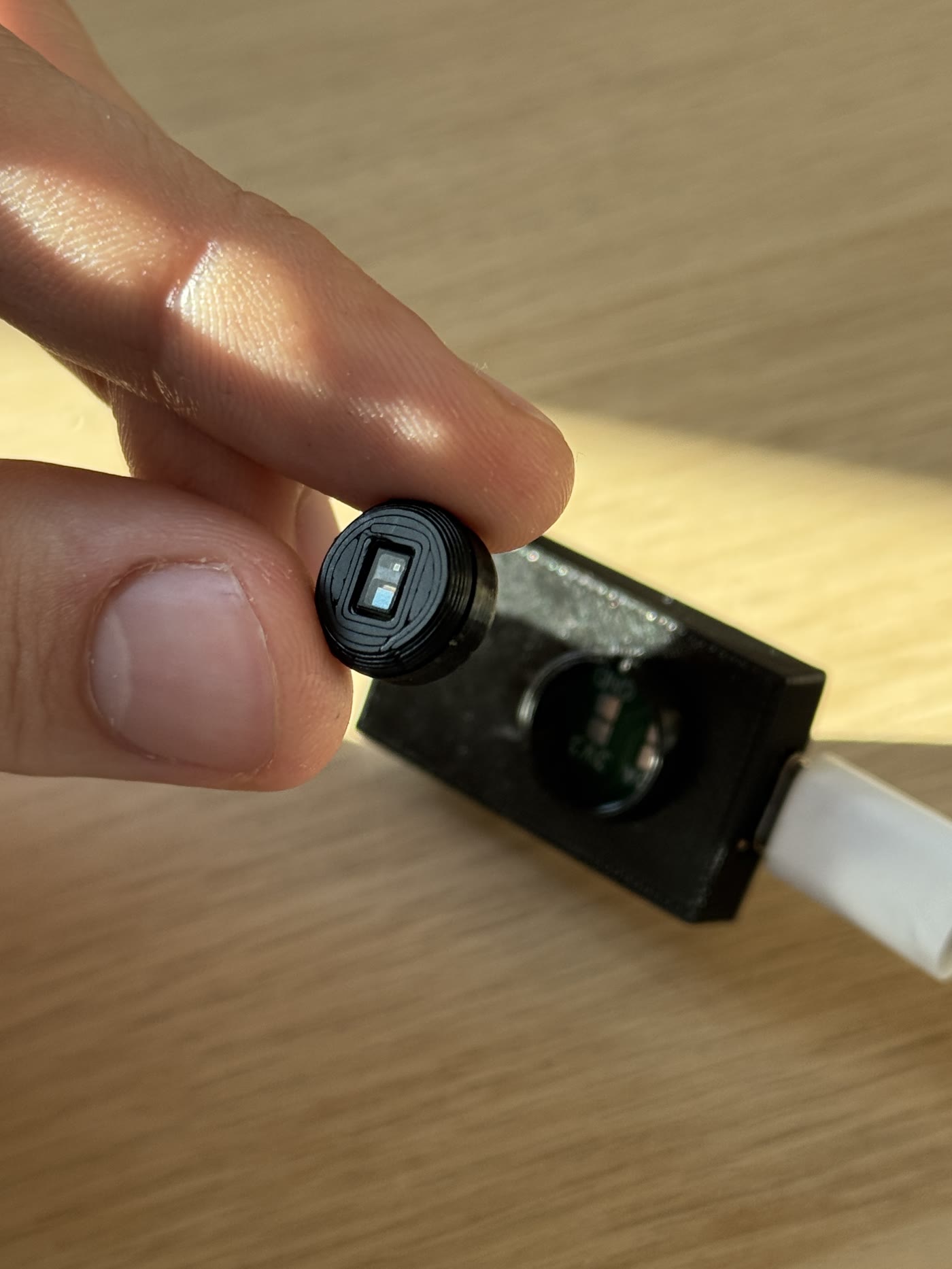
OpenPulse
OpenPulse is a wearable biosensor prototype with replaceable sensor modules. It is designed for researchers and other users who need access to the raw measurements.
Selected work
Five more, each written up with what it is, how it works and what I got wrong.
BeGreifbar
BeGreifbar is a chemistry and physics lab for the Meta Quest 3 that you can walk around inside and use with your hands.
Jugend forscht — regional win, Bavarian state round · ≈31,000 linesMAGMA
A rover for volcanic terrain, with wheels that change diameter as the ground changes. The wheels run wide across loose ash and narrow across broken rock without stopping.
DLR Vulcano challenge · mechanical design, chassis and wheelThe robotics course
Since 2024 I've taught a group of students to build and program a humanoid robot. When the robot turned out to be free only two afternoons a week, I wrote a simulator so they could keep working without it.
Weekly, since September 2024 · PibUi control software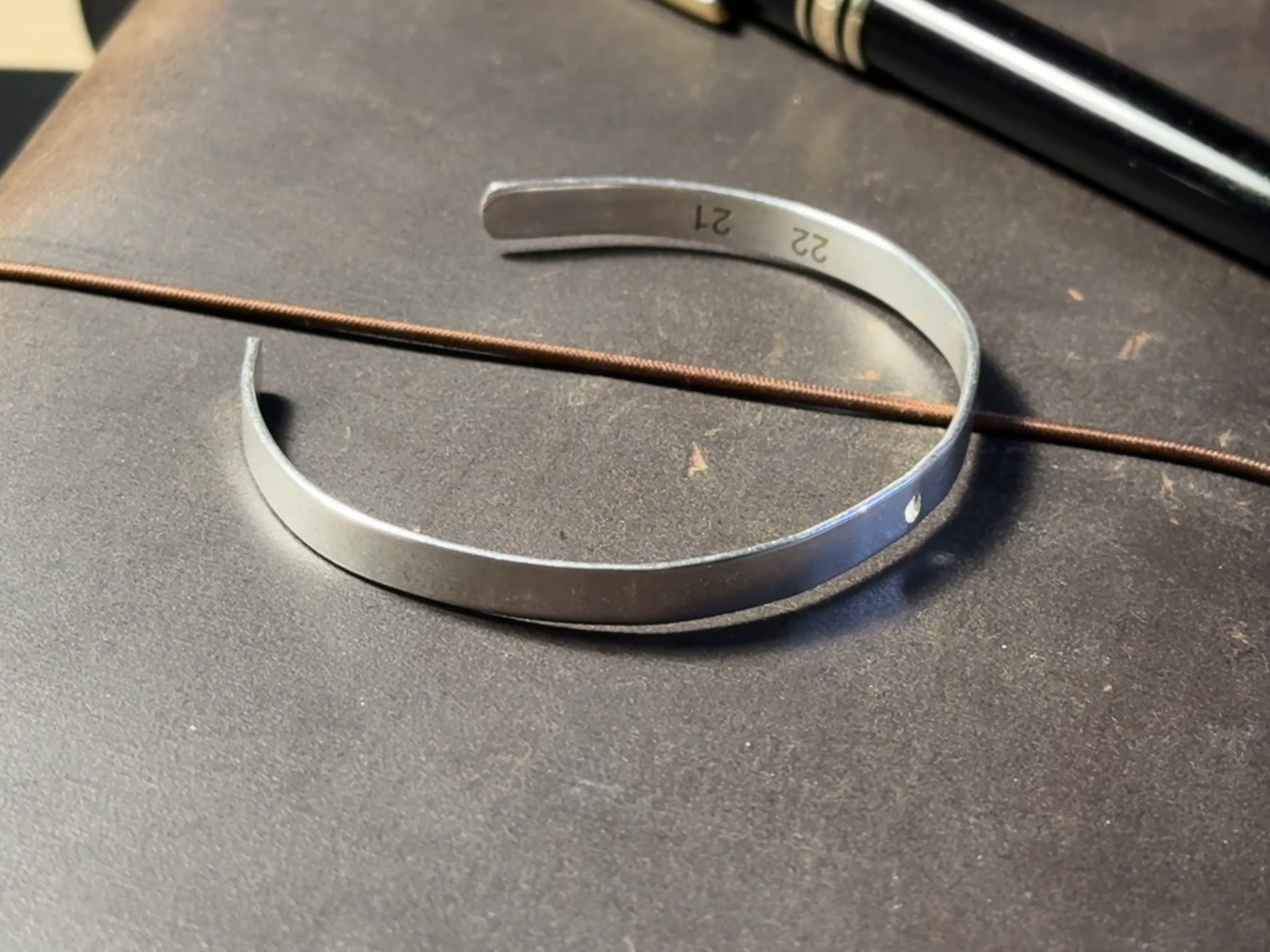
A sundial, and the website that fixes it
A wearable brass sundial I made by hand as a leaving present. I also built a website that calculates its changing time correction.
The correction runs live on the page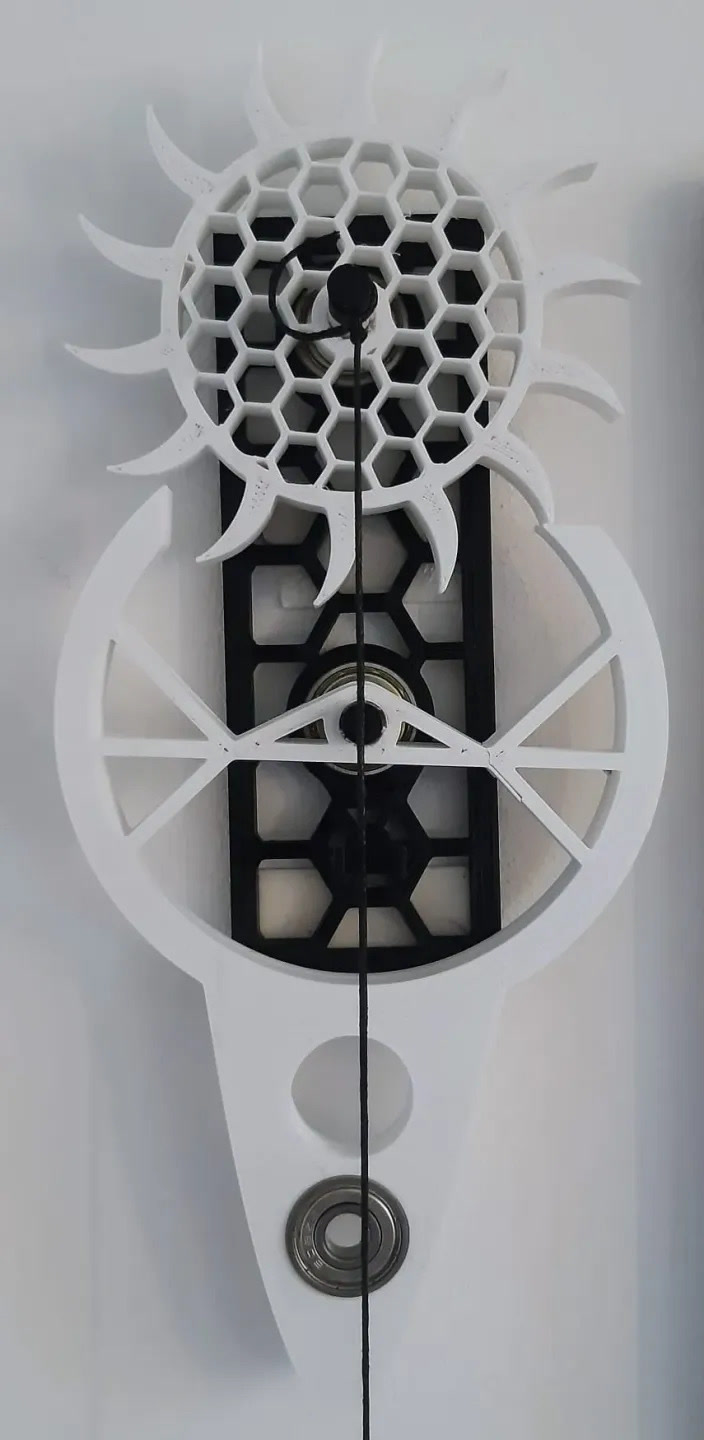
3D models
Designs I've published since I was thirteen, including a pendulum wall clock, furniture and small tools. Other people have downloaded the files about 10,500 times.
≈10,500 downloads · ≈2,800 likes · Printables and ThangsWhat these have in common
Several projects began with practical limits. Our course had one robot for a group of students, so I wrote a simulator they could use at home. A sundial's error changes through the year, so I built a correction tool. Commercial fitness trackers did not expose the raw signal we needed, so we designed our own hardware and data format. Working around those limits produced tools that other people can use too.
Research
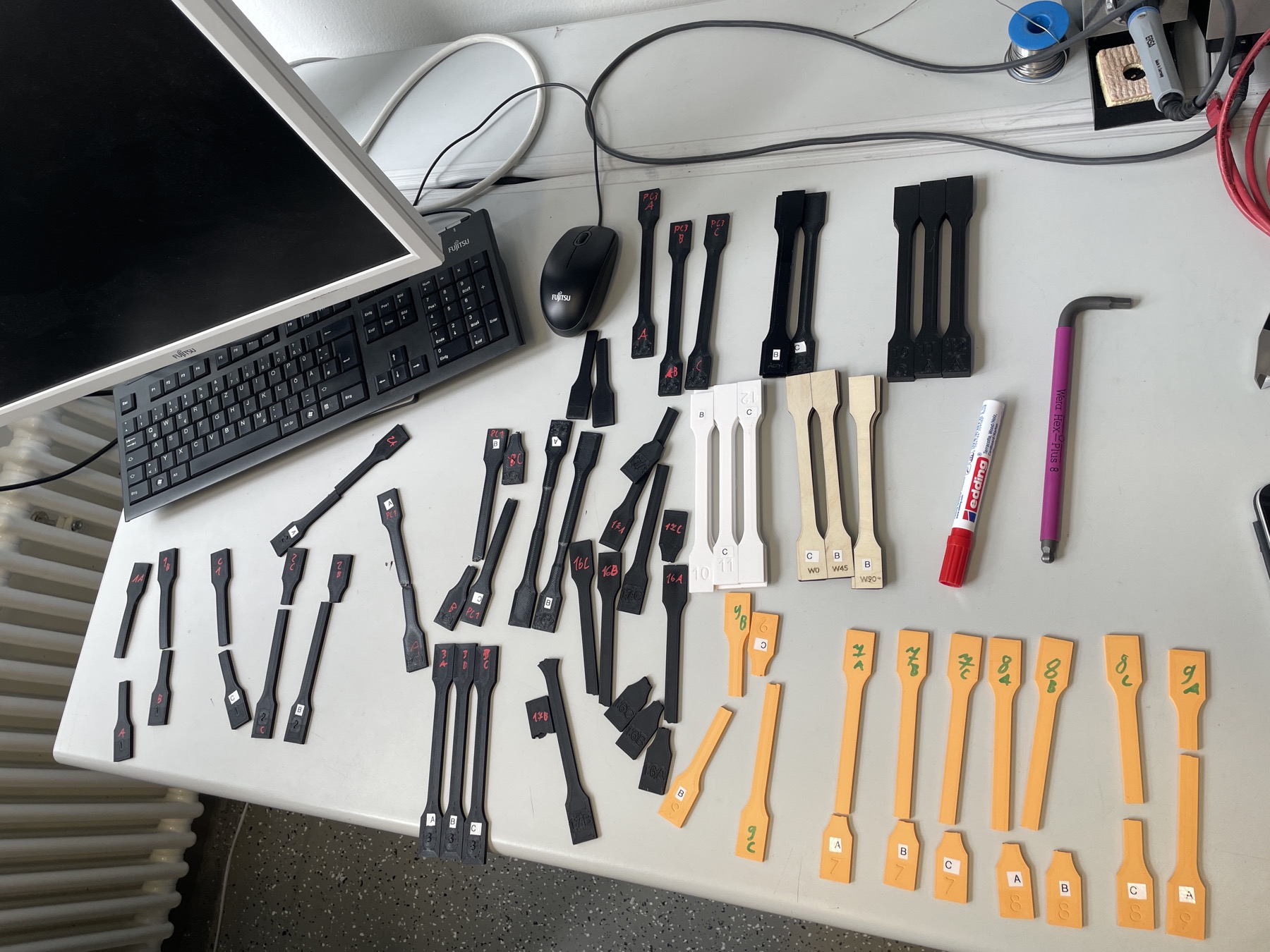
I spent two months at FRM II measuring the tensile strength of test specimens printed from a boron-filled filament.
Boron absorbs neutrons, which is why the reactor wants to 3D-print with it: you can then make shielding and beam-shaping parts in whatever shape an experiment needs, instead of machining them. Nobody had characterised how much load the printed material actually takes, so I printed specimens and pulled them apart on a universal testing machine.
That internship taught me how a material property is measured: prepare specimens to a standard, test them and report the result.
In public
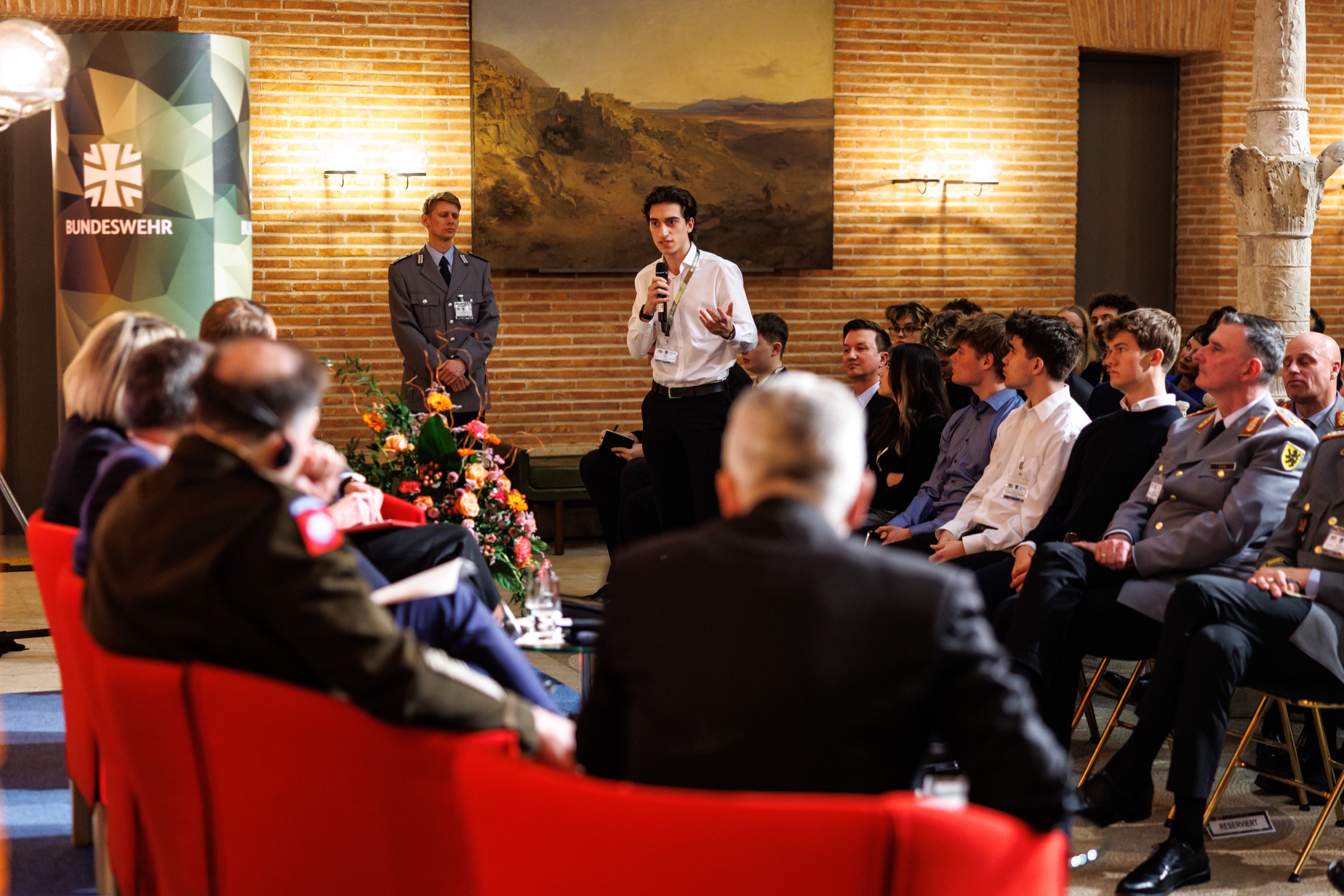
I asked a question at a Munich Security Conference side event.
Our school sent a delegation to a discussion on European deterrence, with the Inspector of the German Army, the Commanding General of US Army Europe and Africa, and a Bavarian state minister on the panel. Students were invited to take part in the discussion.
I've also spoken on societal resilience alongside Lithuania's Consul General in Munich, and about AI in schools on Bavarian television.
The full record →Thanks for reading.
If something here is useful, I'd like to hear from you.
mateo.mamaladze@gmail.com